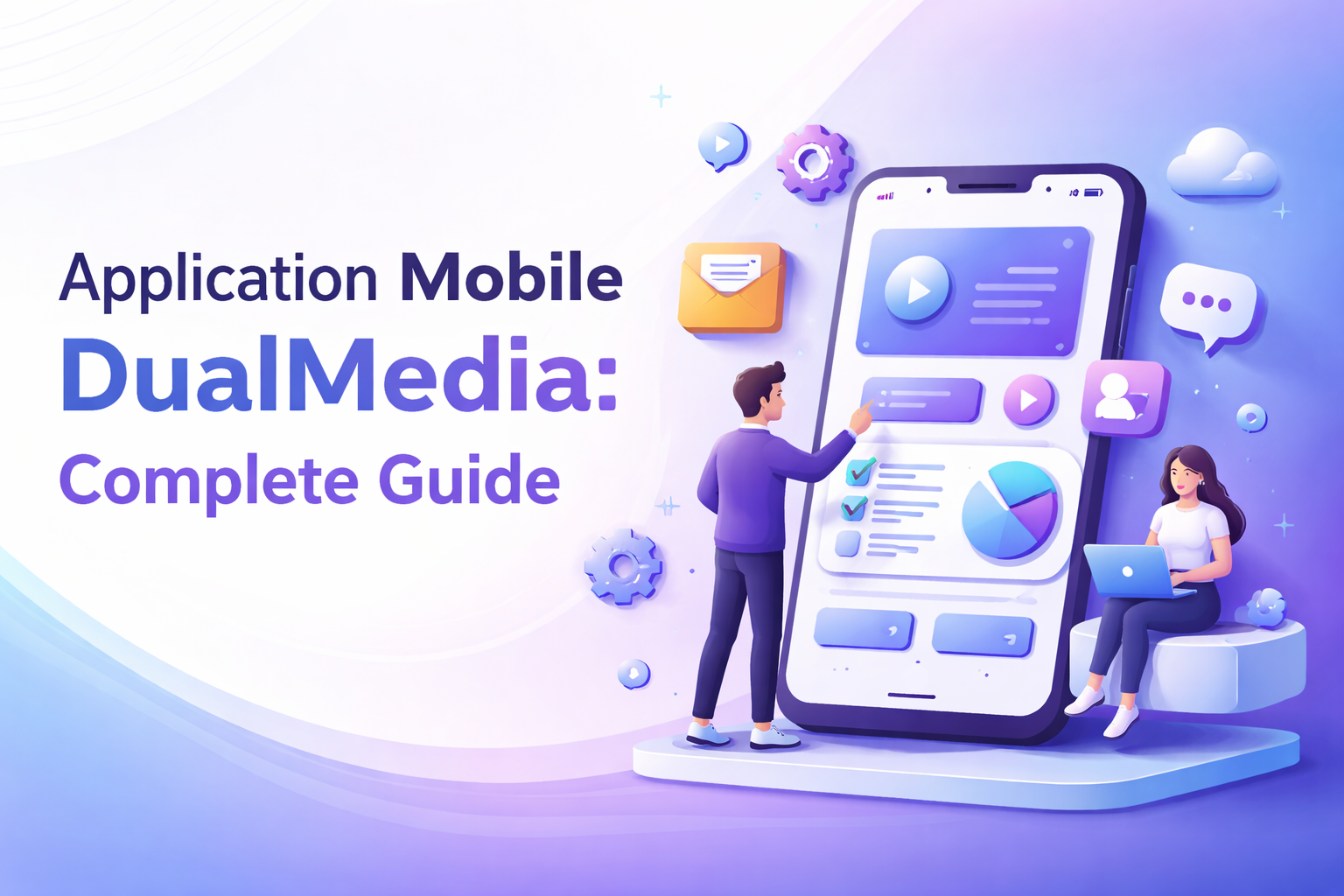
The term application mobile dualmedia is becoming increasingly popular as mobile users demand more flexibility and richer digital experiences. In simple terms, it refers to mobile applications that combine two or more types of media—such as video, audio, and interactive content—within a single platform. This approach enhances user engagement and provides a more immersive experience.
As smartphones continue to evolve, developers are focusing on creating smarter, more dynamic apps. Whether you’re a beginner exploring mobile technology or a business owner looking to improve your app strategy, understanding application mobile dualmedia can help you stay ahead in today’s digital landscape.
What Is Application Mobile DualMedia?
Understanding the Core Concept
An application mobile dualmedia is designed to integrate multiple forms of media into one seamless user experience. Instead of relying on a single format like text or images, these apps combine elements such as video streaming, audio playback, and interactive features. This creates a more engaging and versatile environment for users.
For example, a learning app might include video tutorials alongside audio explanations and interactive quizzes. This combination allows users to absorb information in different ways, improving both retention and satisfaction. The goal is to provide a richer experience without forcing users to switch between multiple apps. Read More : Philadelphia Eagles vs Kansas City Chiefs Match Player Stats
How It Differs from Traditional Apps
Traditional mobile apps typically focus on one type of content. A music app plays audio, while a video app streams visual content. In contrast, an application mobile dualmedia blends these elements together, offering a unified platform.
This integration reduces friction and improves usability. Users no longer need to juggle multiple apps to complete a task. Instead, everything is available in one place, making the experience smoother and more efficient.
Key Features of Application Mobile DualMedia
Core Functional Capabilities
Modern application mobile dualmedia platforms come with a range of powerful features that enhance user interaction and performance. These features are designed to handle multiple media formats without compromising speed or quality.
Some common features include:
- Seamless switching between audio and video
- Real-time media synchronization
- Offline access for multimedia content
- Interactive elements like quizzes or polls
- Cross-platform compatibility
These capabilities make dualmedia applications highly adaptable for different industries, including education, entertainment, and marketing.
User Experience Enhancements
User experience plays a crucial role in the success of any mobile app. Application mobile dualmedia focuses on delivering smooth navigation, fast loading times, and intuitive interfaces.
Developers often use advanced design techniques to ensure that media transitions feel natural. For example, switching from a video to an audio explanation should happen instantly, without lag. This level of optimization helps retain users and encourages longer engagement sessions.
Benefits of Using Application Mobile DualMedia
Improved Engagement and Retention
One of the biggest advantages of application mobile dualmedia is its ability to keep users engaged. By offering multiple content formats, users are less likely to get bored or distracted.
For instance, a fitness app that combines video workouts with audio coaching and progress tracking can provide a more complete experience. This keeps users motivated and increases the likelihood of long-term usage.
Better Content Delivery
Dualmedia applications also improve how content is delivered and consumed. Different users have different preferences—some prefer watching videos, while others prefer listening to audio.
By combining both formats, application mobile dualmedia ensures that content is accessible to a wider audience. This flexibility is especially useful for businesses looking to reach diverse user groups.
Real-World Use Cases
Education and E-Learning
In the education sector, application mobile dualmedia is transforming how students learn. Platforms now offer video lectures, audio summaries, and interactive exercises in one place.
This approach caters to different learning styles and makes education more engaging. Students can watch a lesson, listen to a recap, and then test their knowledge—all within the same app.
Entertainment and Media Platforms
Streaming services and entertainment apps are also adopting dualmedia strategies. For example, users can watch videos, listen to podcasts, and interact with content without leaving the app.
This not only improves convenience but also increases user retention. When everything is available in one place, users are more likely to spend more time on the platform.
How to Choose the Right Application Mobile DualMedia
Factors to Consider
Choosing the right application mobile dualmedia depends on your needs and goals. Whether you’re a user or a developer, it’s important to evaluate key factors before making a decision.
Consider the following:
- Ease of use and interface design
- Media quality and performance
- Compatibility with your device
- Availability of offline features
- Security and data privacy
These factors ensure that you select an app that delivers both performance and reliability.
Tips for Beginners
If you’re new to application mobile dualmedia, start with apps that offer simple navigation and clear instructions. Avoid overly complex platforms that may be difficult to use at first.
You can also explore beginner-friendly guides on mobile app usage or check out comparisons of top multimedia apps to find the best fit for your needs.
Challenges and Limitations
Technical Challenges
While application mobile dualmedia offers many benefits, it also comes with technical challenges. Managing multiple media formats requires strong processing power and efficient coding.
Developers must ensure that the app runs smoothly without crashes or delays. This can be especially challenging on older devices with limited resources.
User-Related Limitations
From a user perspective, dualmedia apps may consume more data and storage compared to traditional apps. This can be a concern for users with limited internet access or device capacity.
However, many modern apps address this issue by offering offline modes and adjustable media quality settings, making them more accessible.
Future of Application Mobile DualMedia
Emerging Trends
The future of application mobile dualmedia looks promising, with advancements in technology driving innovation. Features like AI-powered recommendations, augmented reality, and personalized content are becoming more common.
These trends are expected to further enhance user experiences and make apps even more interactive and engaging.
Long-Term Impact
As user expectations continue to evolve, application mobile dualmedia will likely become the standard for mobile apps. Businesses that adopt this approach early will have a competitive advantage in the market.
For users, this means more convenient, efficient, and enjoyable app experiences in the years to come.
FAQs About Application Mobile DualMedia
1. What is an application mobile dualmedia?
It is a mobile app that combines multiple media formats like video, audio, and interactive content into one platform.
2. Why is application mobile dualmedia important?
It improves user engagement, enhances content delivery, and provides a more flexible experience.
3. Are dualmedia apps suitable for beginners?
Yes, many apps are designed with user-friendly interfaces, making them easy to use for beginners.
4. Do these apps require high internet usage?
They may use more data, but many offer offline features and adjustable quality settings.
5. Where are dualmedia apps commonly used?
They are widely used in education, entertainment, fitness, and marketing industries.
Conclusion
Application mobile dualmedia is shaping the future of mobile technology by combining multiple media formats into a single, seamless experience. It offers better engagement, improved content delivery, and greater convenience for users across different industries.
Whether you’re exploring new apps or planning to develop one, understanding this concept can help you make smarter decisions. To learn more, consider exploring related topics like mobile app design trends or multimedia integration strategies for deeper insights.